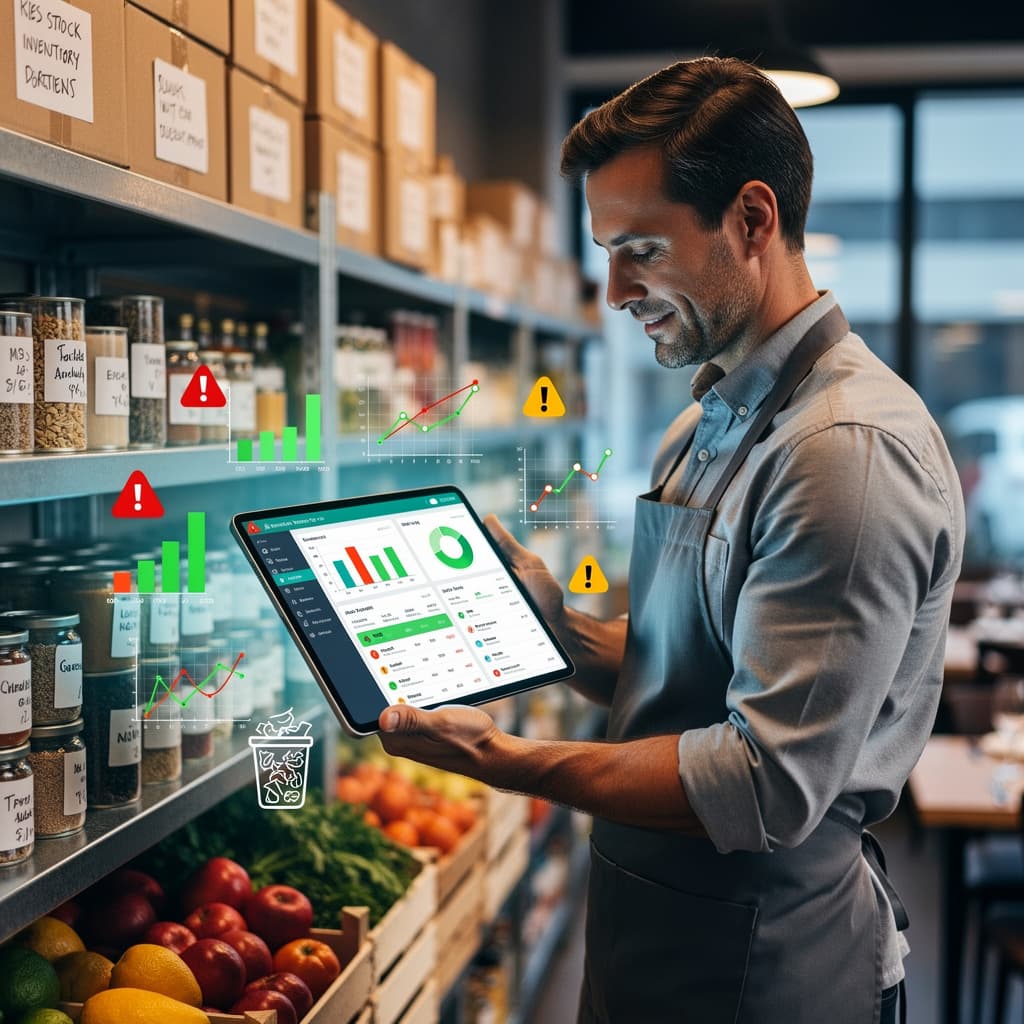

Running a profitable restaurant isn't just about increasing sales. It's about controlling costs, reducing waste, and ensuring every ingredient purchased contributes to revenue.
Yet many restaurants unknowingly lose thousands of rupees every month because of inventory management mistakes. These mistakes lead to food waste, stock shortages, over-ordering, inaccurate purchasing, and lower profit margins.
The good news? Most of these problems can be fixed with better processes and the right restaurant management software.
Here's a look at the 11 most common restaurant inventory mistakes and how solutions like Zilicius Restaurant Management Software can help prevent them.
Key Takeaways
Poor inventory management directly impacts profitability.
Food waste and over-ordering are among the biggest cost drivers.
Real-time inventory tracking improves stock accuracy.
Data-driven purchasing reduces unnecessary expenses.
Restaurant management software helps automate inventory control.
1. Not Tracking Inventory in Real Time
Many restaurants still update inventory manually at the end of the day—or sometimes at the end of the week.
The problem?
By the time inventory records are updated, stock levels may already be inaccurate.
This can result in:
Stock shortages
Over-purchasing
Food waste
Delayed purchasing decisions
The Fix
Use a restaurant management system that automatically updates inventory whenever a sale is made.
With Zilicius, every order directly impacts inventory records, ensuring accurate stock visibility at all times.
2. Ordering More Than You Need
Restaurant owners often order ingredients based on assumptions instead of actual consumption patterns.
This leads to:
Excess stock
Expired ingredients
Increased storage costs
Cash flow issues
The Fix
Review sales and inventory reports regularly.
Analyze consumption trends and order ingredients based on actual demand rather than estimates.
3. Ignoring Slow-Moving Inventory
Not every ingredient moves at the same speed.
Some items remain unused for weeks while occupying valuable storage space.
Examples include:
Specialty sauces
Seasonal ingredients
Rarely ordered menu items
The Fix
Generate inventory movement reports.
Identify slow-moving ingredients and either:
Create promotional dishes
Reduce future purchases
Remove underperforming menu items
4. Failing to Standardize Recipes
One chef uses 180 grams of chicken.
Another uses 220 grams.
The result?
Inconsistent food costs and inventory inaccuracies.
The Fix
Create standardized recipes for every menu item.
Recipe management helps restaurants:
Maintain consistent quality
Improve cost control
Forecast inventory requirements accurately
Zilicius allows restaurants to track ingredient consumption based on predefined recipes.
5. Skipping Regular Inventory Audits
Many restaurants only perform stock checks when something goes wrong.
Unfortunately, by then the losses have already occurred.
The Fix
Conduct:
Daily critical item checks
Weekly inventory reviews
Monthly stock audits
Regular audits help identify discrepancies before they become expensive problems.
6. Not Setting Reorder Levels
Running out of essential ingredients during peak hours can negatively impact customer satisfaction and sales.
Without reorder alerts, restaurants often react too late.
The Fix
Establish minimum stock thresholds for important ingredients.
Automated reorder notifications ensure stock is replenished before shortages occur.
7. Poor Supplier Management
Many restaurants continue ordering from the same suppliers without reviewing pricing or performance.
This can increase purchasing costs over time.
The Fix
Evaluate suppliers regularly based on:
Pricing
Quality
Delivery reliability
Payment terms
Maintaining multiple supplier options can improve negotiation power and reduce procurement expenses.
8. Not Monitoring Food Waste
Food waste directly impacts profitability.
Unfortunately, many restaurants don't track:
Spoilage
Preparation waste
Plate waste
Returned dishes
The Fix
Implement waste tracking procedures.
By identifying waste patterns, restaurants can improve portion control, purchasing decisions, and menu planning.
9. Disconnecting Inventory from POS
When inventory and billing systems operate separately, stock records quickly become inaccurate.
Sales happen.
Inventory remains unchanged.
Errors accumulate.
The Fix
Use an integrated system where POS and inventory work together.
Zilicius automatically deducts inventory when orders are processed, reducing manual work and improving accuracy.
10. Managing Multiple Outlets Separately
Restaurant chains often manage inventory independently at each location.
This creates:
Inconsistent stock visibility
Duplicate purchases
Difficult reporting
The Fix
Use centralized inventory management.
Multi-outlet inventory tracking helps restaurant owners monitor stock levels, transfers, and purchasing across all locations from a single dashboard.
11. Making Decisions Without Data
Many restaurants rely on intuition when ordering stock.
The result is often overstocking some ingredients while running out of others.
The Fix
Use inventory analytics to understand:
Ingredient consumption trends
Best-selling menu items
Seasonal demand fluctuations
Purchasing requirements
Data-driven decisions reduce costs and improve operational efficiency.
Why Inventory Management Matters More Than Ever
Food costs continue to fluctuate.
Customer expectations continue to rise.
Competition continues to increase.
In this environment, inventory management is no longer just an operational task—it is a profitability strategy.
Restaurants that maintain accurate inventory records gain advantages such as:
Lower food costs
Reduced waste
Better purchasing decisions
Improved cash flow
Higher profit margins
How Zilicius Helps Restaurants Take Control of Inventory
Zilicius Restaurant Management Software provides powerful inventory management tools designed specifically for restaurants.
Key capabilities include:
Real-time inventory tracking
Automated stock deductions
Recipe-based inventory consumption
Low-stock alerts
Supplier management
Purchase management
Multi-outlet inventory control
Inventory reports and analytics
With complete visibility into inventory operations, restaurant owners can reduce costs, improve efficiency, and make smarter business decisions.
Conclusion
Inventory mistakes may seem small individually, but over time they can significantly affect restaurant profitability.
From over-ordering and food waste to stock shortages and inaccurate reporting, these challenges can be addressed through better processes and technology.
By implementing modern inventory management practices and leveraging solutions like Zilicius Restaurant Management Software, restaurants can gain better control over stock, reduce operational costs, and build a more profitable business.
Frequently Asked Questions
What is restaurant inventory management?
Restaurant inventory management is the process of tracking, controlling, and optimizing ingredients, supplies, and stock levels to reduce waste and improve profitability.
Why is inventory tracking important for restaurants?
Inventory tracking helps restaurants prevent food waste, avoid stock shortages, improve purchasing decisions, and maintain healthy profit margins.
How often should restaurants perform inventory audits?
Critical inventory should be checked daily, while full inventory audits should be conducted weekly or monthly depending on business size.
Can restaurant software automate inventory management?
Yes. Modern restaurant management software like Zilicius automates inventory tracking, stock deductions, reorder alerts, and inventory reporting.
How does inventory management reduce restaurant costs?
Accurate inventory management reduces food waste, prevents over-ordering, improves purchasing efficiency, and helps control overall food costs.
Take Control of Your Restaurant Inventory Before It Impacts Your Profits
Inventory mistakes can quietly reduce your profits through food waste, stock shortages, over-ordering, and inefficient purchasing. With the right tools, these challenges can be prevented before they affect your business.
Zilicius Restaurant Management Software helps you track inventory in real time, automate stock management, monitor ingredient consumption, and gain complete visibility into your restaurant operations—all from a single platform.
Ready to reduce waste, control costs, and improve profitability?
Also Read
Best POS Software for Grocery Stores in India (2026)